

Whoa! The first time I connected a browser wallet to a Solana dApp I felt a little thrill. It was fast. The transaction confirmed in under a second, and honestly, that speed still surprises me. My instinct said this was the future, but I also felt cautious—there are lots of wallets, some sketchy, some solid. Initially I thought all extensions were roughly the same, but then I started testing features, permissions, and UX patterns and found real differences.
Here’s the thing. Browser wallet extensions are convenience machines. They sit in your toolbar and let you sign transactions without leaving the page. They also hold your keys (often encrypted locally), so if you mess up, the consequences can be… painful. I’m biased toward wallets that prioritize clear permission prompts and straightforward recovery flows. This part bugs me: too many wallets hide seed phrase flows behind vague UI.
Really? Yes. Security UX matters more than flashy features. On one hand, fancy dashboards look nice; on the other, a tiny unclear permission prompt can let some dApp drain funds. Actually, wait—let me rephrase that: both design and clarity matter, and they often trade off. So when I evaluate a Solana wallet extension I check three things: permission transparency, transaction previews, and seed phrase management (with local encryption).
Hmm… I tried the usual suspects. I used a few test wallets, moved small amounts, and poked around dev tools to watch messages. My gut flagged a couple of extensions (somethin’ felt off about how frequently they asked for wide permissions). Then I found one that balanced speed with clarity. That gave me confidence to use it day-to-day for NFTs, DeFi, and occasional token swaps—though I still keep a hardware wallet for large sums.
How a Good Solana Extension Should Behave
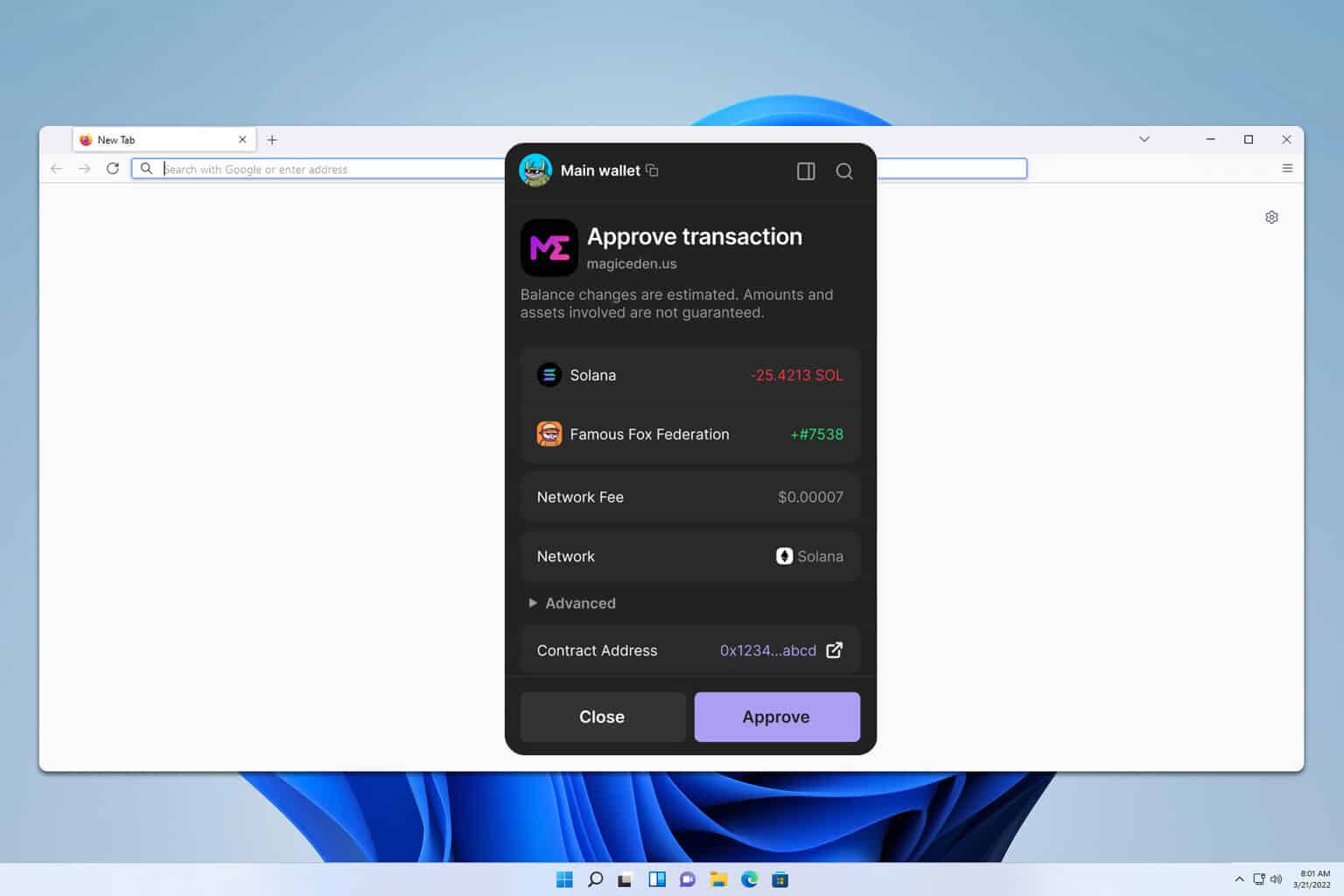
Short answer: predictable. Long answer: predictable, transparent, and fast, with rollback-friendly UI. A solid extension shows clear who is requesting access, the exact amounts, and the destination account. It should avoid vague language like "allow all transactions” without details. I think a good confirmation flow looks like a short contract: readable, explicit, and forgiving.
Okay, so check this out—when I started recommending wallet extensions to friends, most wanted something simple to install and easy to recover. They didn’t want dev-speak. They wanted buttons that meant what they say. One wallet that fit that bill, which I use and often point people to, is the phantom wallet extension; you can get it here: phantom wallet. Yes, that link is one-click to the download page I trust and have used myself (oh, and by the way… always verify the domain before you download).
On the technical side, speed on Solana is huge. Transactions are cheap and quick. That changes the UX expectations. Users expect near-instant confirmations—so delayed popups or confusing gas settings feel out of place. Initially I thought gas complexity would carry over from EVM wallets, but actually Solana’s model reduces that friction a lot. Though, actually, poor UI can reintroduce that friction in surprising ways.
Something else: extensions are part of your threat surface. If your browser is compromised, extensions can be targeted. So use browser profiles, keep extensions minimal, and treat your seed phrase like cash. I’m not 100% alarmist, but I do tend to split funds between hot (extension) and cold (hardware). It’s a habit I picked up after a friend lost access to a wallet because of a bad recovery phrase import—ugh, that was rough.
Wow! People often ask whether browser-based wallets are safe for NFTs. They are, but there are nuances. NFTs often involve signing listing approvals or other delegated permissions. Read prompts. Pause before approving marketplace-wide permissions. My rule: never approve blanket access unless you intend to. Tiny tokens are one thing; unlimited approvals are another.
On the developer side (and this is nerdy), good extensions expose robust RPC settings and let you switch networks easily for testing. They also provide digestible transaction metadata so users see what they’re signing. When a wallet hides metadata behind technical jargon, red flags pop up for me. Developers building dApps should test their flows with multiple wallets, because user expectations vary and some wallets display tx details differently.
Seriously? Yes again. Recovery is where many wallets lose users. Seed phrase UX needs to be slow and deliberate—write pages down, confirm the phrase, store it in a safe place. If a wallet encourages speedy skipping or auto-backup without user understanding, that worries me. On the flip side, overly cumbersome recovery can push users to unsafe shortcuts, so there’s balance.
FAQ
Is a Solana browser extension safe for day-to-day use?
Mostly yes, when used carefully. Use small amounts for daily activity and keep significant funds in cold storage. Use separate browser profiles for crypto activity and avoid installing untrusted extensions. My instinct leans toward caution, but with good practices extensions are practical and convenient.
How do I verify I’m downloading the right extension?
Check the official site, confirm the domain, and compare publisher details in the extension store. Look for community references and, if possible, checksum or signatures. If something feels off, stop—ask in official channels or forums. I’m not perfect at this either, I’ve clicked the wrong thing before, so double-checking is worth the extra minute.